Scrolling any AI art feed lately, you keep running into the same portrait: harsh light straight from the lens, skin slightly blown out, colors that sit somewhere between honest and cheap. It looks like a photo taken at a party in 2005 by someone who never learned to turn the flash off — and that is precisely the point.
What the look actually is
The CCD flash aesthetic is a deliberate recreation of cheap early-2000s point-and-shoot digital cameras. Those cameras had small CCD sensors, weak dynamic range and a tiny built-in flash sitting inches from the lens. The result was a signature set of artifacts: flat frontal lighting, a small but harsh shadow line behind the subject, blown highlights on foreheads and nose bridges, tiny pin-sharp catchlights, and a cool, slightly washed-out color cast that film never had.
In the mid-2010s all of that was called bad photography. In the 2020s it became a mood: amateur, candid, unguarded. When the look is generated on purpose, every "flaw" is a signal of authenticity — the photo looks like it was taken, not staged.
Where the prompt vocabulary comes from
Chinese-language prompt communities codified the look first, and their shorthand is still the sharpest. The phrase 直闪 (direct flash) or CCD直闪 — "CCD direct flash" — does most of the work in a single token. English prompts tend to stack longer descriptions:
- "shot on a CCD compact camera" or "2000s point-and-shoot" — sets the sensor generation, the color science and the resolution ceiling in one move
- "direct on-camera flash" or "built-in flash, harsh light" — the light itself, and it must be frontal; side lighting kills the effect
- "nostalgic", "Y2K", "2000s aesthetic" — bias the palette and styling
- "slight film grain" or "digital noise" — pushes the sensor artifacts without going full VHS
The telling detail is what is missing. Nobody writes "soft light" or "golden hour" or "bokeh". The whole aesthetic is built on the absence of photographic skill — which is why prompts that accidentally add polite lighting come back looking like modern studio shots wearing a retro filter.
Why it flatters portraits
Frontal flash flattens faces. Contours, pores and small asymmetries that side lighting would carve out simply disappear into the light. Skin reads smooth, eyes read sharp, and the subject looks caught mid-moment rather than posed. Add the nostalgia — the 2000s were someone's childhood — and you have an aesthetic that works on models, on friends, and on characters that have never existed.
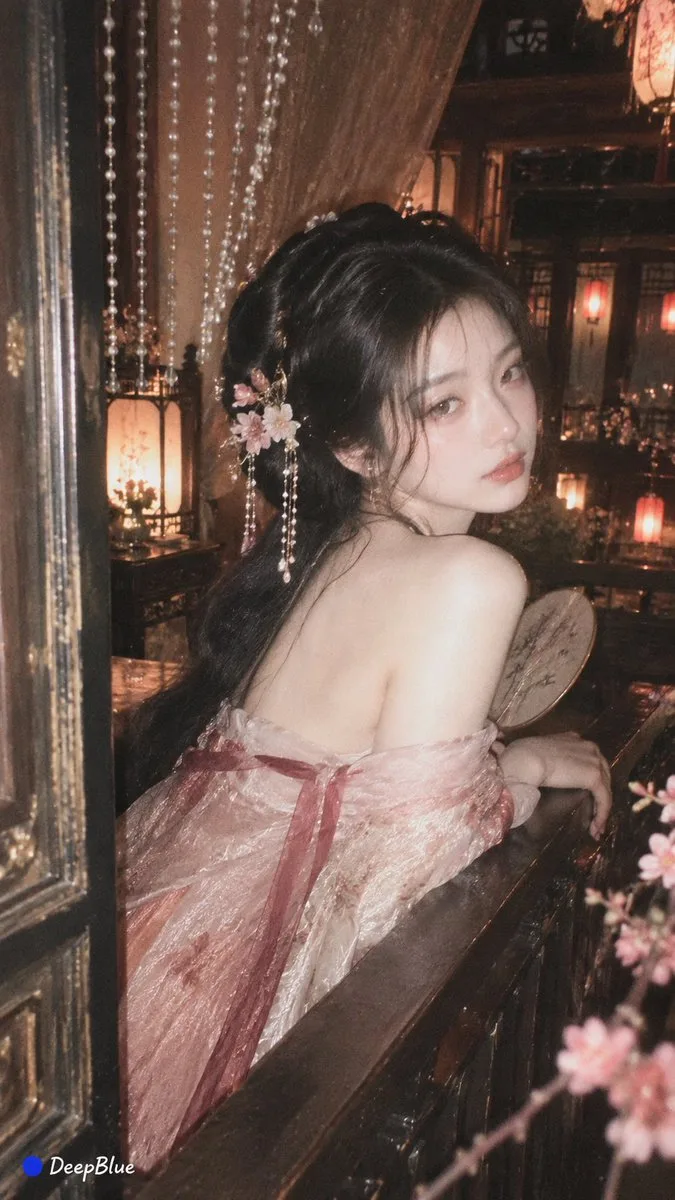
The look also pairs well with styling contrasts. Classic hanfu shot with a modern digicam flash, like this ancient Chinese beauty portrait, lands harder than either element alone: the anachronism is the point. The same trick runs in the rose champagne portrait, where a soft pink palette softens the flash into something almost tender.
How to steer it in your own prompts
- Keep the camera and flash phrases verbatim — they are the load-bearing words. Swap the wardrobe, the setting or the era instead.
- To dial the effect down, add "slightly" or "softened" next to the flash phrase rather than removing it; removing it usually drops you into generic studio lighting.
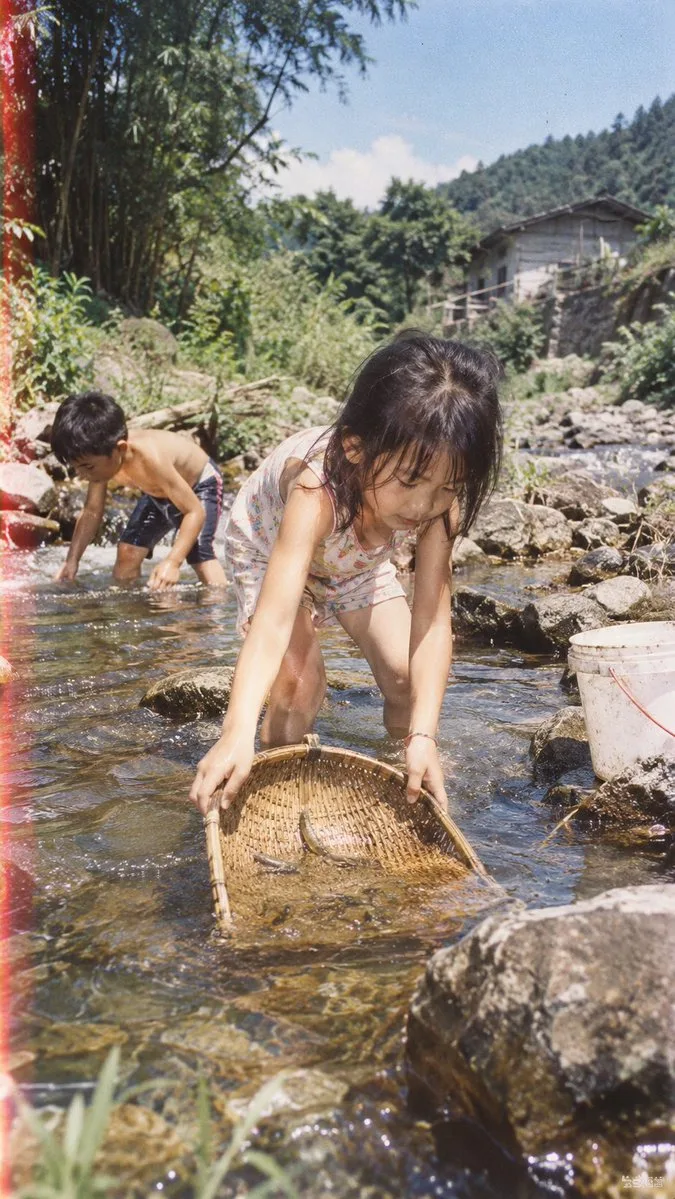
- For the candid family-album version, borrow the framing notes from this 90s childhood photo prompt — everyday objects, casual poses, imperfect moments.
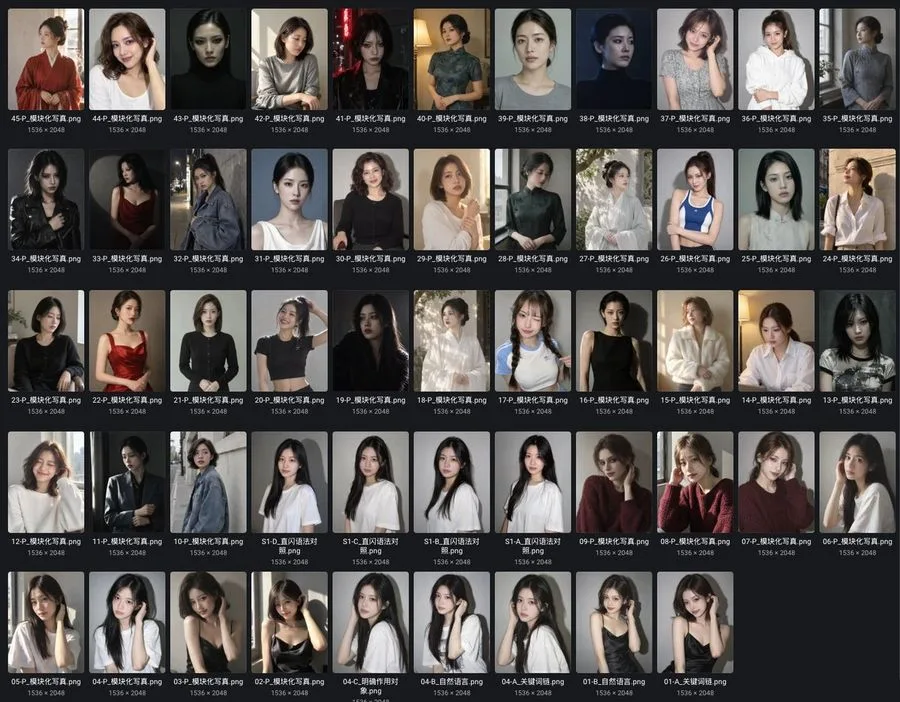
- If you want the full contact-sheet effect across several frames, this grid prompt shows how the look behaves when repeated, which is where it feels most like a real photo shoot.
Every prompt linked here carries a full editorial note on its page — what the image shows, which words create the look, and what to change. The CCD look is a good place to start reading prompts closely, because unlike most styles, you can point at exactly which phrase does the work.