中轴夹景动势文化海报设计
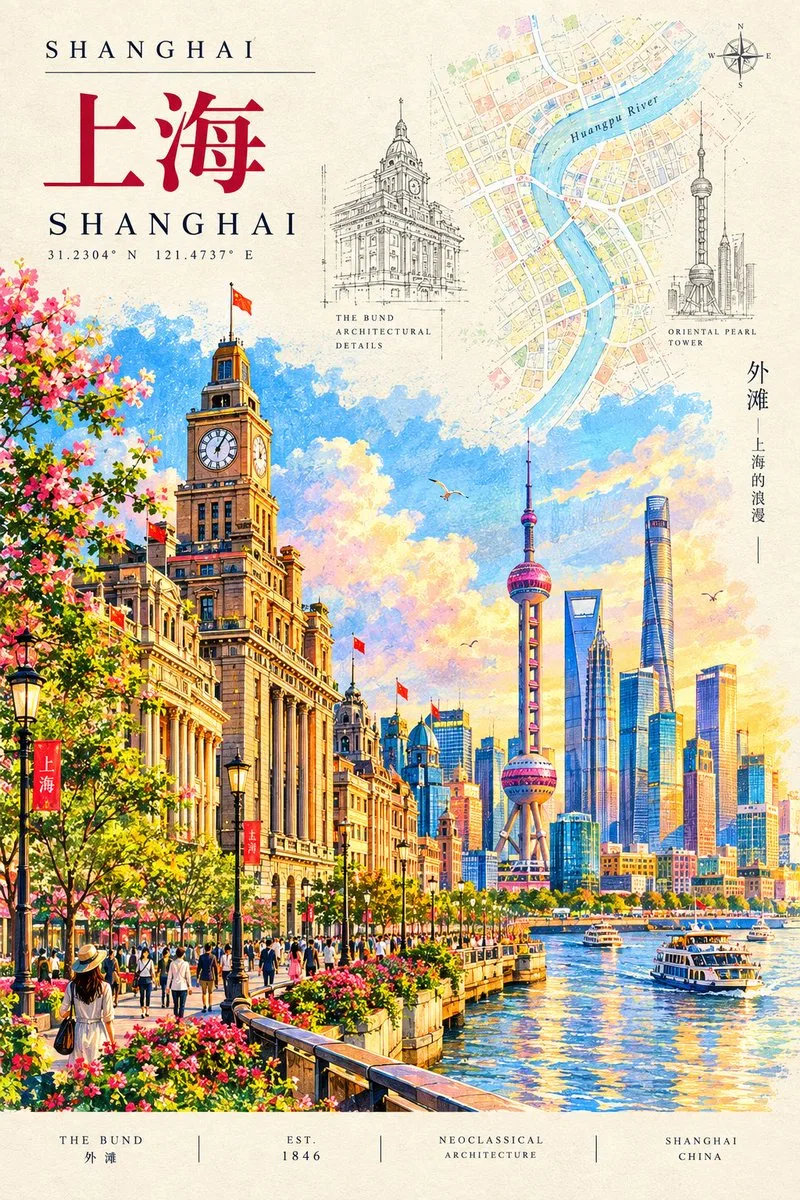
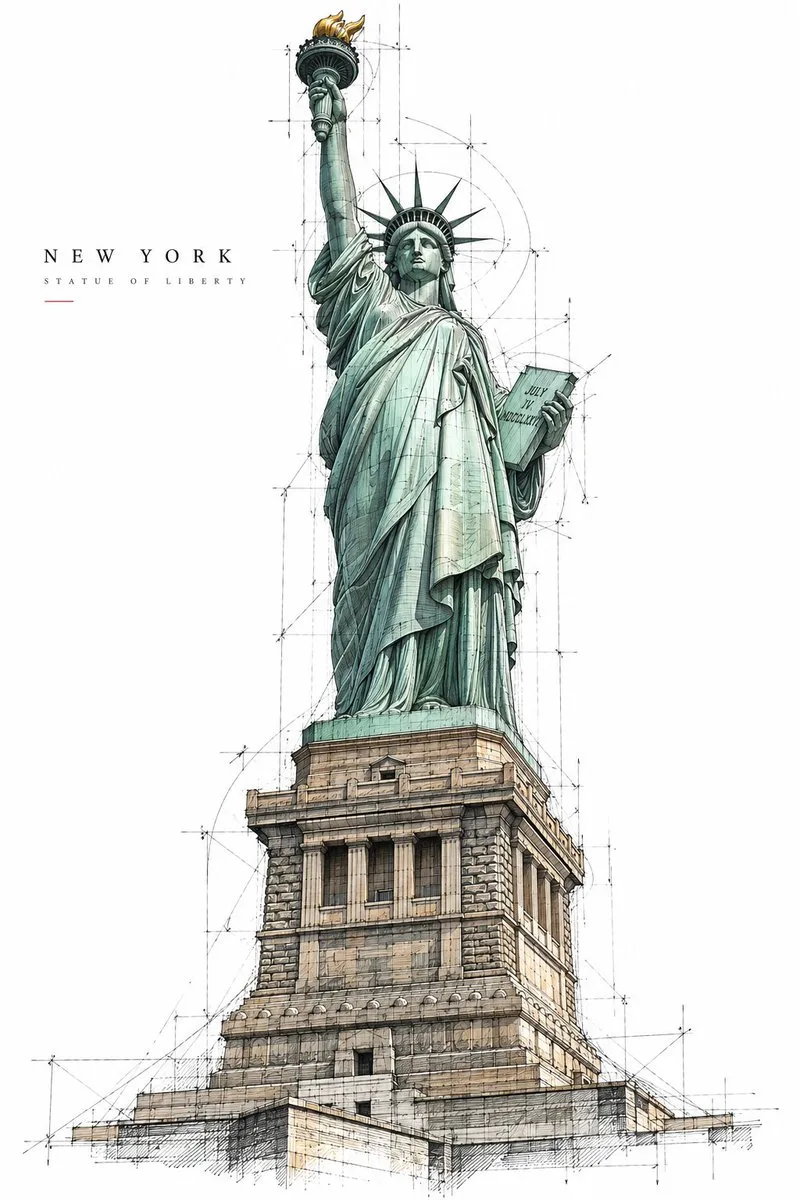
[Subject]: ____ [Chinese Title]: ____ [English Title]: ____ [Central Hard Axis]: ____ [Left and Right Visual Power]: ____ / ____ [Repeating or Radiating Elements]: ____ [Movement Mode]: Radiating / Diagonal / Repetitive Rhythm / Ripple / Tension / Other____ [Primary Color Tone]: ____ [Secondary Colors]: ____ [Research Node]: ____ [Aspect Ratio]: 9:16 Generate a "Center Axis Framing" cultural poster with strong momentum and a mature Editorial Design temperament. First, establish a clear, stable central hard axis, which can be a ship hull, bamboo spine, arrow, vessel structure, or other longitudinal main body; then let the repeating elements, arcs, diagonal lines, or ripples on the left and right sides together press the visual power toward the center. The left and right elements are not just decorations, but must truly participate in the sense of direction and rhythm. Use oar arrays, skeletons, bow bodies, sound waves, wings, rods, etc., to form a continuous visual sequence, creating momentum through repetition, radiation, inclination, and scale changes. The image must have a very clear first visual big shape: the central hard axis + the directional structures on both sides. The visual weight on the left and right should remain balanced, but do not make it a mechanical mirror image; allow for changes in angles, scales, materials, and rhythms. Typography is redesigned according to the direction of the main body, it can span structures, stay close to the hard axis, align along the big shape, or be partially offset; do not fixedly use four-character vertical arrangement, giant single character centered, or the same title template. A very small structural research module can be added, such as action stages, forces, ripples, skeletons, or path diagrams, with the area controlled at 5%–7%, adding a "sense of design research," but do not make it into a PPT or instructional diagram. Control colors to 3–5 main colors, using clear large color gamuts and strong main body contrast. The first eye sees the big shape and momentum, the second eye sees the central axis and title, and the third eye discovers how the elements on both sides together create direction and tension. Avoid: mechanical symmetry, complete duplication of repeating elements, the main subject being too small, confused directions, multiple visual centers, complex technical parameters, PPT info boxes, random decorative lines, excessive aging, mottled noise, and a low-completion AI poster feel.
More like this