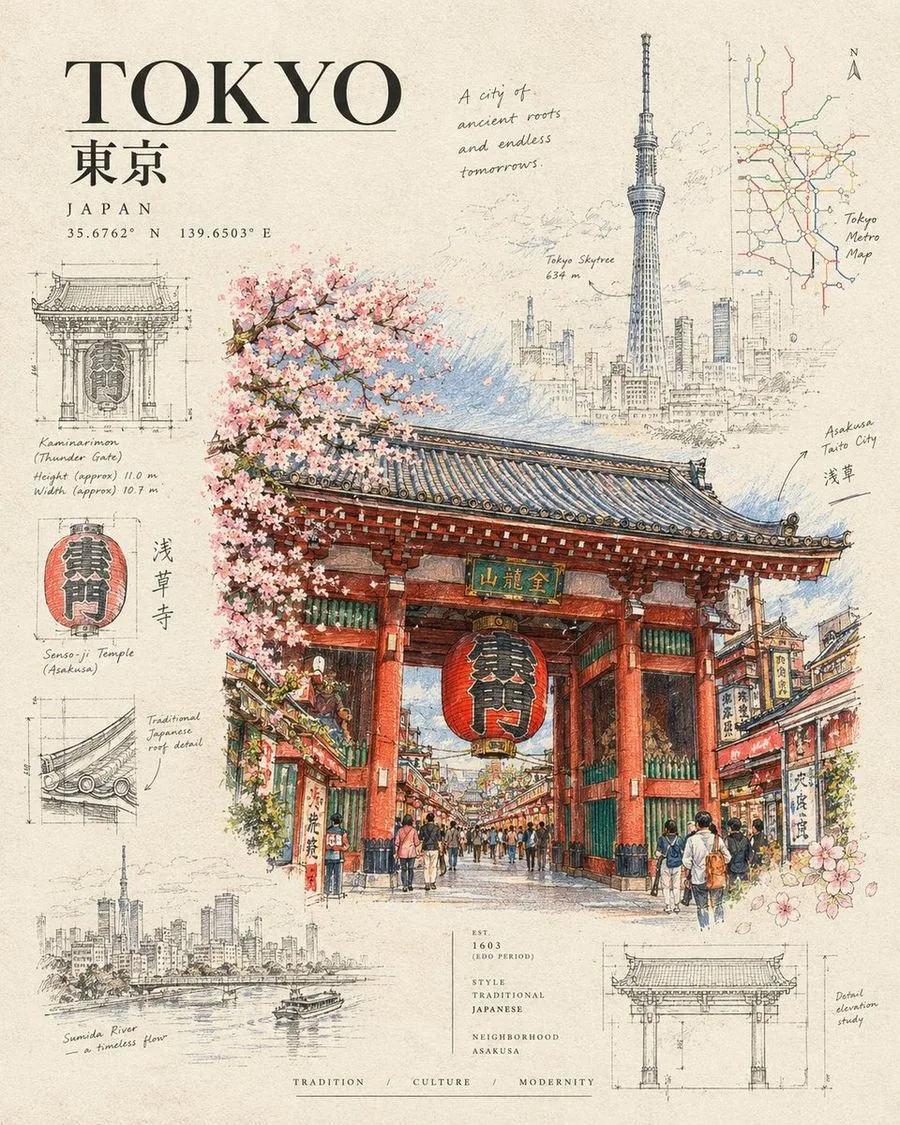
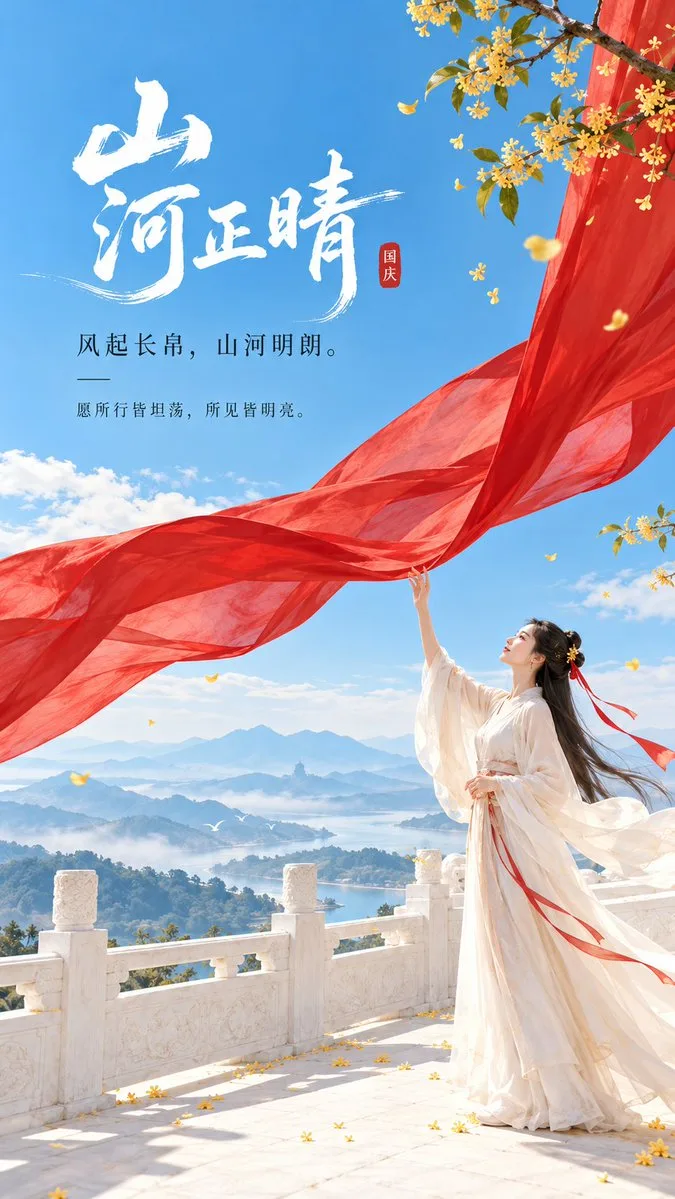
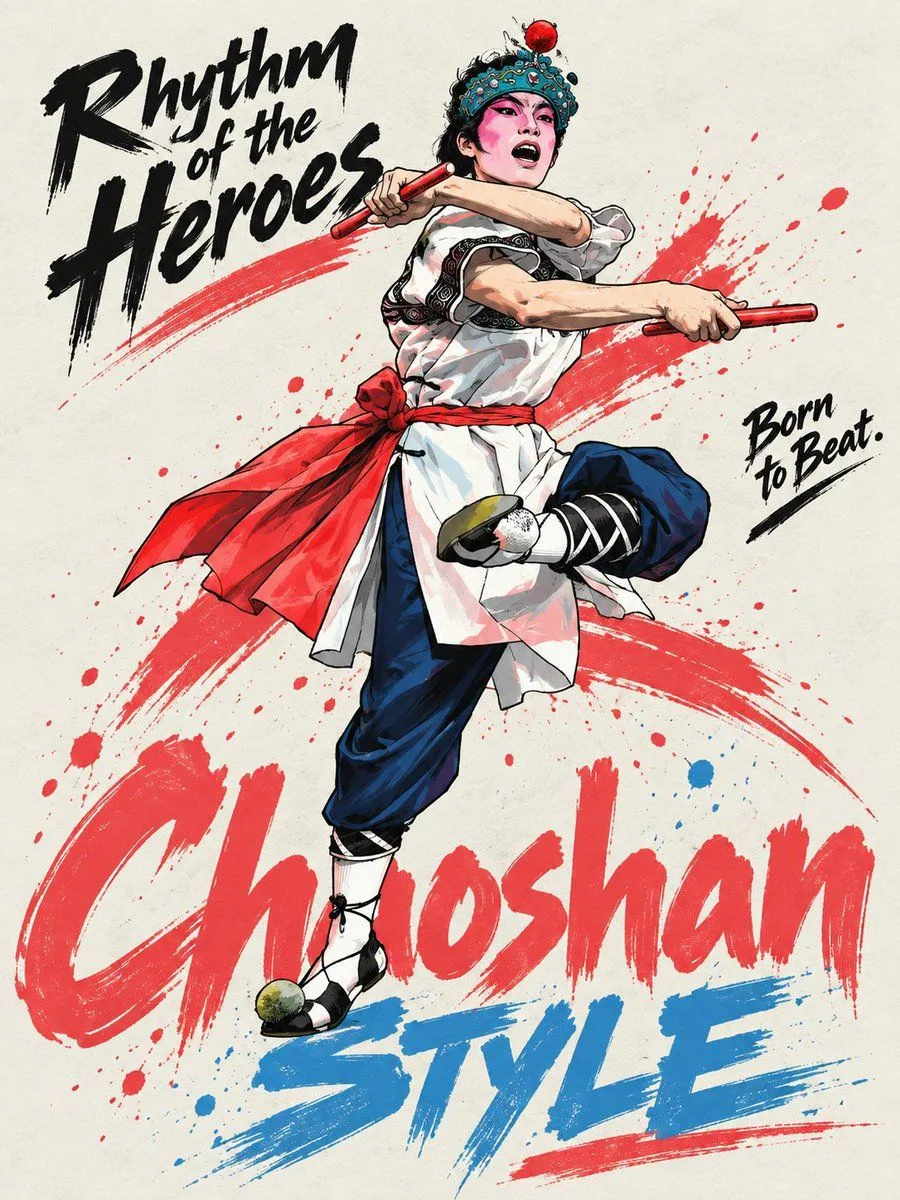
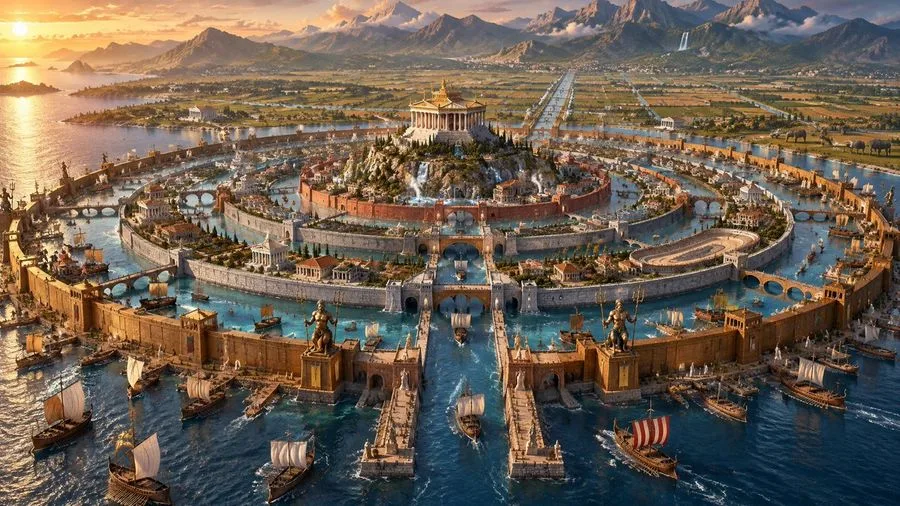
现代东方诗意画报设计提示词
【Theme】: {Fill in, e.g.: West Lake Rain / White Dew / Spring Tea / Lantern Festival} 【English Main Title】: {Fill in} 【Chinese Main Title】: {Fill in} 【Subtitle】: {Fill in} 【Super-scale Main Visual】: {Fill in, e.g.: Giant oil-paper umbrella / Dewdrop / Tea cup / Lantern} 【Oriental Landscape】: {Fill in, e.g.: Lake surface / Valley / Tea mountain / Jiangnan waterfront} 【Miniature Characters and Actions】: {Fill in} 【Main Color Tone】: {Fill in} 【Accent Color】: {Fill in} 【Season / Year small text】: {Optional} 【Aspect Ratio】: {Default 9:16} Generate a high-end modern oriental poetic Editorial poster, merging oriental landscape artistic conception, super-scale main visuals, miniature character narratives, and modern Chinese and English Typography into a complete visual work. Overall, do not make it like a common national-style promotional image, travel poster, or festival template; instead, present a design sophistication akin to a cultural brand Campaign, arts festival visual, or magazine Editorial poster. Use large areas of soft color gamuts to construct space, with the [Main Color Tone] as the primary environmental color, using only the [Accent Color] to centrally strengthen the [Super-scale Main Visual], making the subject identifiable at a glance even in thumbnail state. The background landscape uses ink wash blooming, pastel diffusion, mist, soft-edged color blocks, etc., to represent it, reducing realistic details; do not let buildings, trees, and peaks become overly eye-catching. Enlarge the [Super-scale Main Visual] far beyond realistic proportions, and through cropping, blocking, interweaving, or perspective relationships, let it truly enter the screen space rather than simply floating. It is best for the subject to retain only one strongest visual anchor, avoiding multiple large objects competing for attention at the same time. Add extremely small-scale [Miniature Characters and Actions], utilizing the scale contrast between "huge environment / giant objects" and "miniature characters" to enhance the sense of space, poetry, and storytelling. Characters should not be the protagonists or pose; they serve only as scale references and narrative points. Use an extra-large English [English Main Title] at the top or upper part, using a slender, high-contrast, modern Editorial Serif font, allowing the text to span the screen, misalign, be cropped, and form real front-and-back occlusion relationships with elements like giant objects, mist, plants, rain lines, water droplets, steam, etc. A slender, natural English script can be added as a flexible visual line, but do not stack too many fonts. Place the Chinese main title [Chinese Main Title] in the middle-lower or bottom-left area, with the size significantly enlarged, creating partial occlusion, edge-pressing, reflections, or interweaving with the landscape, making the text part of the composition rather than simply overlaid on the image surface. Use [Subtitle] for the subtitle, keeping it concise and real. Incorporate a "physical relationship" based on the theme to enhance the sense of visual methodology, such as: refraction, reflection, steam turning into clouds, rain ripples, front-and-back occlusion, transparent media, huge proportion differences, objects passing through text, etc. Visual relationships should be understandable at first glance and surprising at the second. Control overall information density: the top Typography, the middle core main visual, and the bottom Chinese title areas can be denser, while other areas should be proactively left blank. Avoid full-screen small text and decorations. All text must be real, meaningful, and readable; do not use garbled characters, meaningless English, fake logos, fake brands, serial numbers, or template placeholder information. 画面质感 (Visual texture) should remain high-end, soft, restrained, and modern oriental. Avoid overly strong CGI light effects, cheap glowing, plastic materials, over-sharpening, stacking of traditional patterns, travel promotion feel, e-commerce promotion feel, complex ancient building complexes, full-screen festival elements, or four-pointed star decorations. The final work needs to simultaneously possess: large color gamut, strong visual anchors, giant objects and tiny people, oriental poetic realm, modern Editorial Typography, real spatial interweaving, obvious design methodology, and a sense of a complete poster work.
More like this