照片转传统木版年画艺术设计海报
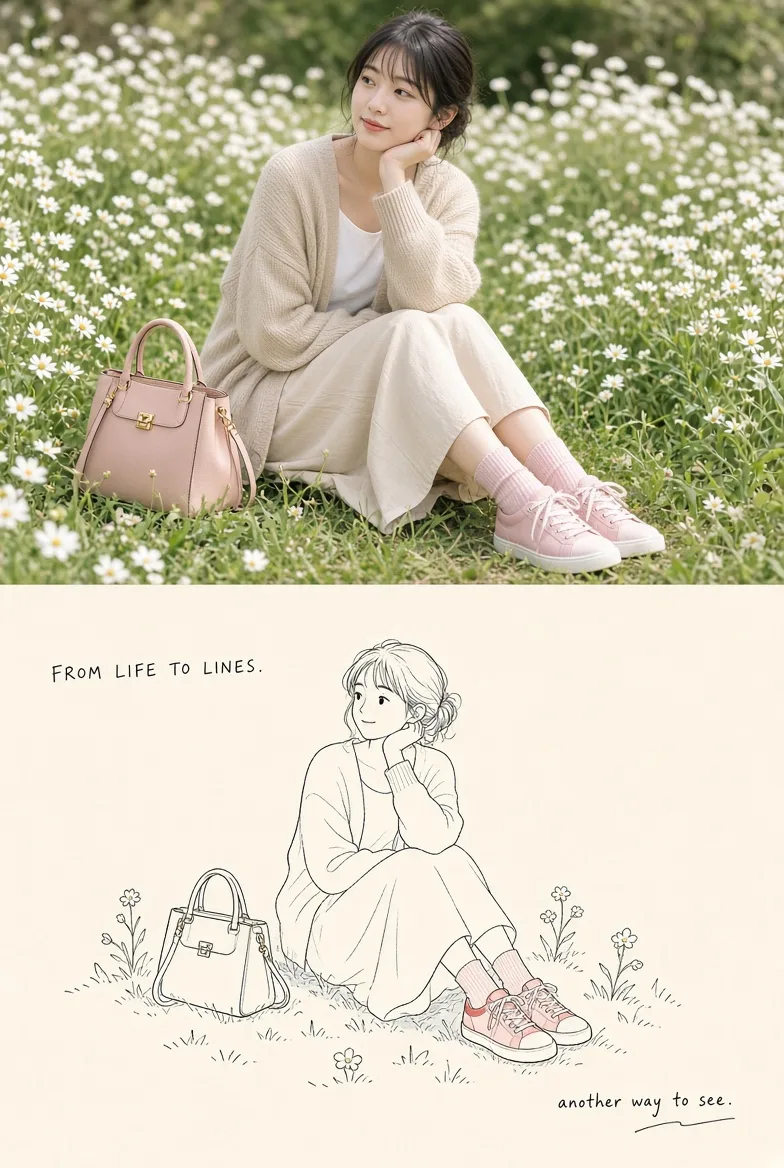
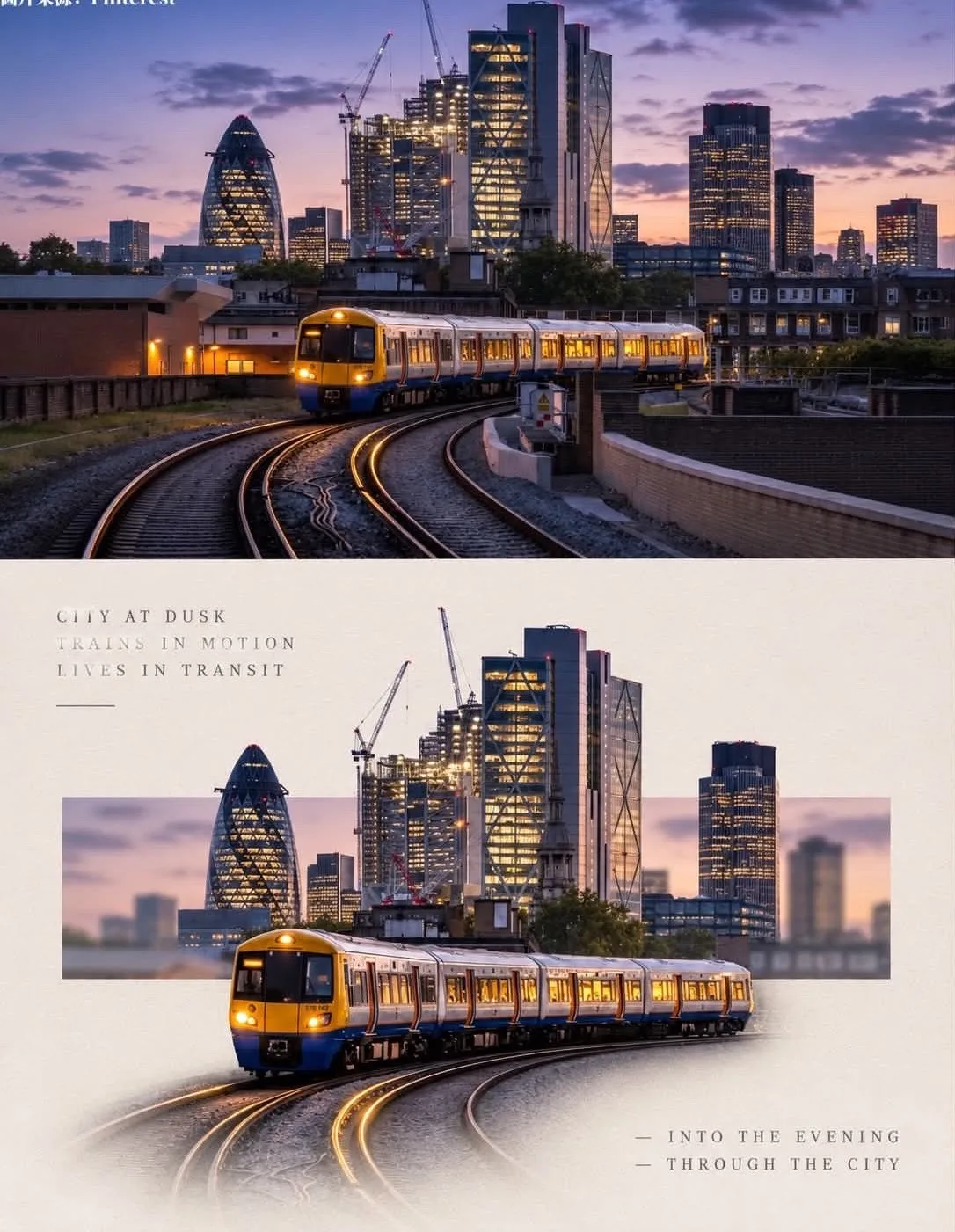
Please turn every photo I upload into an individual high-end design poster, no multi-image stitching, each photo output separately. The overall composition is 3:4 vertical, with the top and bottom areas strictly 1:1 in height, each occupying 50% of the frame. The top half retains the original photo, maintaining the subject identity, structure, posture, realistic texture, natural lighting, and original color atmosphere, with only slight high-end color grading to give it an art magazine and exhibition image texture. To adapt to the frame, the environment background can be naturally extended, but the subject must not be stretched, distorted, or changed. The bottom half extracts the most recognizable subject, contour, posture, and narrative relationship from the photo, recreating it in the style and registration language of traditional Chinese woodblock New Year prints (woodblock New Year print). The subject is outlined with ink lines of varying thickness, the shape is full, rounded, with folk naivety and festivity; one or two simplified auspicious symbols (such as auspicious clouds, ruyi, fish, flowers) can be added according to the original image's meaning, but they must have a clever metaphorical relationship with the subject, rather than just being piled up. Colors are completed by multiple color block printings in stages, allowing for obvious color misregistration: colors slightly overflowing the ink lines, offset by one or two millimeters, partial missing prints or overlapping colors, forming the vividness and randomness of manual printing. The texture emphasizes real woodblock printing: the subtle texture of wood grain in the color blocks, the halos and unevenness of water-based pigments, the 'feibai' (flying white) of ink lines, the fibers and ink absorption of handmade paper. Avoid digital flat coating, cheap national tide sticker feel, 3D rendering, and excessive smoothness. The composition is centered on a small square or vertical New Year print + large areas of white space, with the New Year print occupying only about 40% of the bottom half, slightly off-center, as if pasted on a warm white wall, with a small amount of paste marks or flattened paper edges visible at the corners. The color scheme uses classic New Year print colors: peach red, malachite green, ginger yellow, lake blue, ink black, and corresponds to the main colors extracted from the top photo, bright and festive, but overall restrained, not jarring or cheap. A small amount of text is involved, which can generate a four-character or short auspicious phrase for the subject, placed on one side of the frame in the regular script or hand-carved font commonly seen in New Year prints, with no language restriction. The overall presentation is a warm visual composed of woodblock New Year prints, color misregistration, folk shapes, auspicious greetings, and a large amount of white space. The core principle is: carve a New Year print belonging to itself for an ordinary photo. Avoid full-page decoration, cheap national tide, digital flat coating, excessive symmetry, cartoonishness, and templated posters.
About this prompt
The prompt creates a vertically‑oriented poster that combines a realistic photograph with a hand‑drawn traditional Chinese woodblock New Year print. The top half keeps the original photo in its natural colors and lighting, lightly color‑graded for an art‑magazine finish. The bottom half transforms the main subject into a stylised, folk‑naïve woodblock illustration, with bold ink outlines, rounded shapes and simplified auspicious motifs that echo the subject’s narrative. Key visual beats come from the 3:4 aspect ratio, the split of equal 1:1 top and bottom halves, and the classic woodblock palette of peach red, malachite green, ginger yellow, lake blue and ink black. The illustration features deliberate misregistration—ink bleeding, color offset, and wood grain texture—to evoke a hand‑printed feel. A small, four‑character auspicious phrase in a regular or hand‑carved type adds authenticity. To adapt the idea, keep the split layout and the gentle color grading on the photo, then replace the woodblock style with another folk print tradition (e.g., Japanese Ukiyo‑e) by changing the line weight and motif choices. Retain the color‑misregistration technique to preserve the handmade look, or simplify it for a cleaner, more modern poster finish.
More like this