红樱桃镜面不锈钢盒全身构图提示词
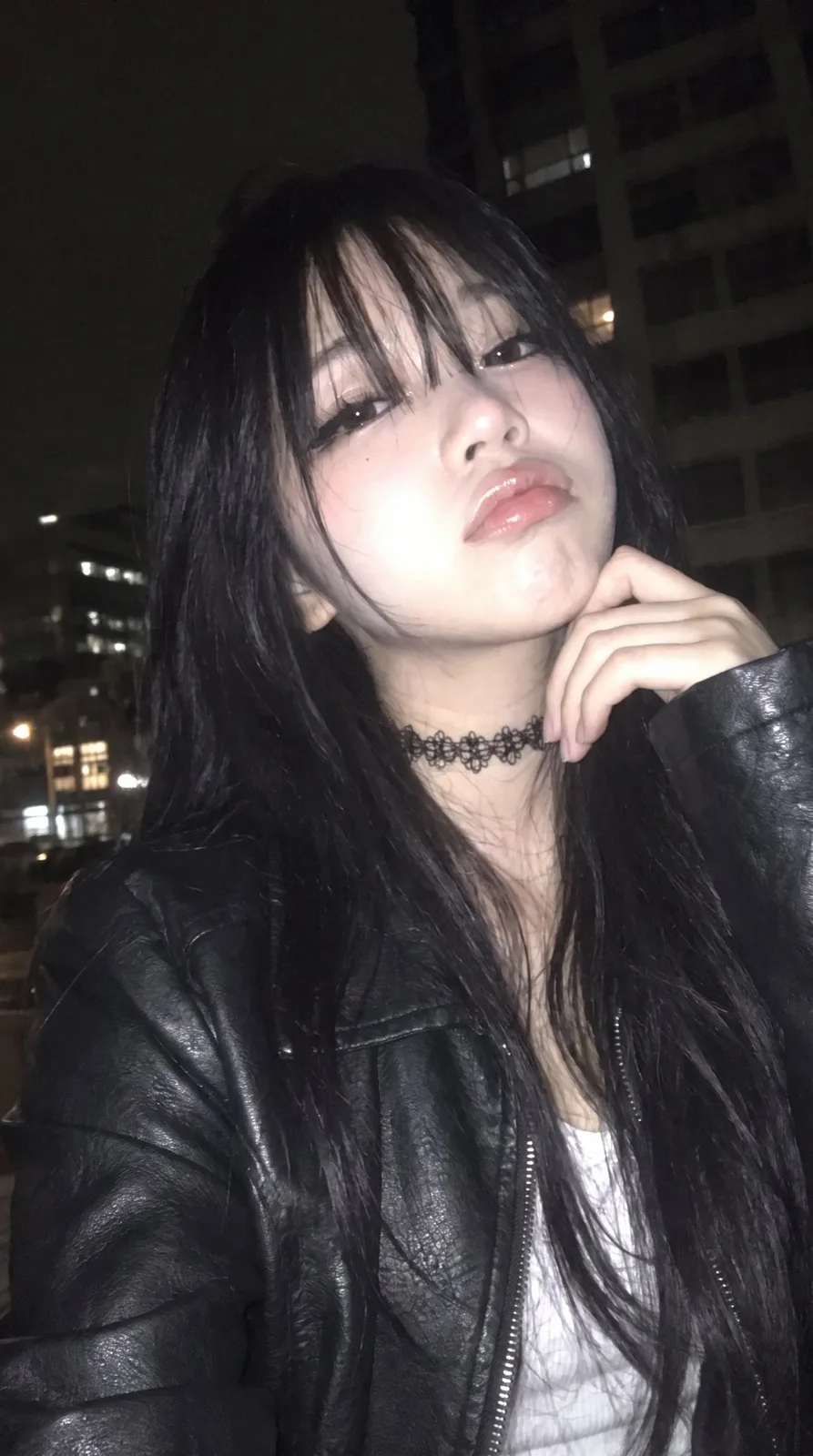
OBJECT = "Red Cherry" MATERIAL = "Mirror Stainless Steel Box" ASPECT_RATIO = "9:16" concept: - "Use the uploaded character reference image as the baseline information for the character, and establish the character as a natural full full-body human body before constructing the final composition" - "Place the established character inside a huge display box made of MATERIAL, with a real human being existing inside the box body" - "MATERIAL only defines the material of the display box itself and should not be applied to the OBJECT inside the box body" - "OBJECT is treated as an independent object filling the inside of the box body, and its type, shape, color, texture, material, and physical characteristics follow the definition of the OBJECT itself" - "Construct the character, the OBJECT, and the box body made of MATERIAL as independent elements respectively" - "Fill the inside of the box body with OBJECT at an extremely high density to construct a state where the character is deeply buried among a large number of OBJECTs" - "Make the final overall image hold true as a three-dimensional display box made of MATERIAL" preprocess: purpose: - "Establish the character itself from the uploaded character reference image before constructing the final composition, box body, and OBJECT" - "Read the character's face, hair, clothing, and body characteristics from the reference image, and use this as a baseline to construct a natural full full-body character" - "Should also apply to reference images where only part of the body exists, such as only the upper body, face close-up, close-up, tilted angle, etc." - "Body parts that do not exist in the reference image should be completed with a natural human body that does not contradict the character information that has already been confirmed" preprocess: identity: - "Give the highest priority to maintaining the facial identity characteristics of the reference character" - "Maintain the face shape, eyes, nose, mouth, eyebrows, chin, cheeks, and the proportions of the entire face" - "Retain as much as possible the characteristic left-right differences and personal characteristics present in the reference image" - "Maintain hairstyle, hair length, hair color, hair texture, and hair outline" - "Maintain clothing, accessories, and body characteristics that can be confirmed from the reference image" - "Do not redesign the character into another person" - "Do not replace character characteristics with a generalized average character" preprocess: full_body: - "Based on the character information that can be confirmed from the reference image, construct a natural complete full body from the head, neck, shoulders, torso, pelvis, arms, hands, legs to feet" - "Body parts that do not exist in the reference image must also be completed into a state that can naturally connect as a character whole" - "Make the connection of the head, neck, shoulders, thorax, waist, pelvis, and limbs hold true as a natural human body structure" - "Make the left and right body structures correspond naturally" - "Construct joint positions, arm and leg lengths, and hand and foot sizes as a natural human body" - "When establishing the full body, do not treat the cropping position in the reference image screen as the proportion of the body itself" preprocess: proportion: - "Establish a head-to-body proportion that is natural and consistent for the character as a whole" - "Maintain the actual body proportions of the head, torso, arms, and legs as a natural adult human body" - "Do not shrink the entire body based solely on the face or head" - "Do not directly convert the head size from a reference image that only captures the upper body into the head-to-body proportion of the full body" - "When only a certain part of the body looks large, do not interpret it as the actual body size" - "The head-to-body proportion of the final character is not based on the proportion within the frame of the reference image, but rather prioritizes the proportion that can hold true as a natural full full-body human body" preprocess: perspective_correction: - "Do not directly copy the apparent body proportions resulting from the shooting distance, camera position, lens, and perspective of the reference image" - "When the face appears larger due to being close to the camera, do not treat this apparent size as the actual head size" - "Do not inherit the head enlargement caused by wide-angle lenses or close-up shooting into the full-body character" - "Do not treat the apparent length of the body generated in high-angle, low-angle, or oblique shooting as the actual body proportion" - "Correct the head-to-body illusion caused by the perspective of the reference image, and reconstruct it into a natural full full-body human body" preprocess: output: - "Use the character established in this preprocessing process as the unique baseline character in all subsequent processes" - "After establishing the character, then proceed with the box body construction and OBJECT configuration" - "In the preprocessing process, do not construct the box body, OBJECT, final occlusion state, or final composition" reference_direction: preserve: - "The character's facial identity characteristics" - "Face shape and facial features" - "Hairstyle, hair color, hair texture" - "Skin characteristics" - "Body characteristics" - "Clothing" - "Accessories" - "Appearance characteristics inherent to the character" - "The head-to-body proportion after being established as a natural human body" - "Natural skeleton and body proportions" reference_direction: replace: - "The composition of the original image" - "The cropping of the original image" - "The background of the original image" - "The camera angle of the original image" - "The shooting distance of the original image" - "The pose of the original image" - "The body orientation of the original image" - "The size of the character within the screen in the original image" - "The apparent body proportions resulting from the perspective of the original image" world: construction: - "Construct the final image as a whole into a huge display box made of MATERIAL" - "Use the four edges of the image themselves as the four edges of the display box" - "Do not create other picture frames or extra background spaces on the outside of the image" - "Let the box body have clear depth" - "Form a three-dimensional space of foreground, midground, and background inside the box body" - "Configure the character as if actually existing in the space inside the box body" - "OBJECT exists throughout the space inside the box body, not limited to around the character" - "Construct a state where OBJECT also exists deep into the box body" material: scope: - "MATERIAL is only applied to the display box itself" - "MATERIAL is only applied to parts constituting the box body, including the box body walls, bottom surface, side surfaces, back wall, edges, etc." - "MATERIAL is not applied to OBJECT at all" - "MATERIAL is not applied to the character at all" - "Do not transfer the material characteristics of MATERIAL to the material or appearance of OBJECT" - "Do not interpret OBJECT as an object made of MATERIAL" - "The box body and OBJECT should be constructed separately as different elements with completely independent materials" material: definition: - "The material of the box body is solely determined by the value of MATERIAL" - "The transparency, translucency, gloss, reflection, transmission, refraction, surface roughness, thickness, and edge expression inherent to MATERIAL are only applied to the box body" - "Consistently use MATERIAL on the walls, bottom surface, side surfaces, back wall, and edges of the box body" - "When MATERIAL = Acrylic, it appears as a transparent or translucent acrylic display box" - "The transparency, thickness, reflection, transmission, refraction, and optical expression of edges unique to acrylic are only applied to the box body" - "When MATERIAL changes, only change the material of the box body, do not change the material or appearance of OBJECT" object: scope: - "Treat OBJECT as an independent group of objects configured inside the box body" - "The material, surface, texture, color, transparency, gloss, shape, and physical characteristics of OBJECT are determined by the nature of OBJECT itself" - "Do not determine the appearance of OBJECT based on MATERIAL" - "Even if MATERIAL changes, maintain the material and appearance of OBJECT itself" - "Do not add the transparency, reflection, refraction, or gloss inherent to MATERIAL to OBJECT" - "Do not convert OBJECT to the same material as the box body" object: definition: - "The objects filling the inside of the box body are determined by the value of OBJECT" - "Treat OBJECT as the main filling element existing inside the box body" - "The type of OBJECT follows the specification of OBJECT" - "Do not replace OBJECT with other types of objects without authorization" - "Generate each OBJECT as an independent three-dimensional object" - "Maintain the original shape, material, texture, color, and surface state of OBJECT" - "Even if there is no explicitly specified material information for OBJECT, do not appropriate MATERIAL as the material of OBJECT" subject: type: - "The baseline character established in the preprocess process" - "Expressed as a real human being that really exists" - "Maintain a complete human body structure" - "Maintain natural head-to-body and body proportions" - "Do not change the shape of the body itself because of the needs of the OBJECT or the box body" subject: pose: - "A pose lying on the side inside the box body" - "A pose curling up the entire body naturally and compactly" - "Pull the knees naturally toward one side of the body" - "Bend both legs maintaining a natural joint structure" - "Bring the arms naturally close to the body" - "Naturally maintain the positional relationship among shoulders, elbows, wrists, hip joints, knees, and ankles" - "Do not forcibly fold the body" - "Curl up the body naturally within a range consistent with a normal human body" - "Although the overall composition is a display object, the character itself must still hold true as a real human" subject: scale: - "Maintain the actual body proportions of the character established in the preprocessing process" - "When configuring the character into the box body, do not change the character's head-to-body proportion" - "Do not miniaturize the character into a tiny person" - "Do not micro-scale the character" - "Do not convert the character into a human body of doll size" - "Do not enlarge only the head" - "Do not shrink only the torso or limbs" - "Do not perform unnatural scaling on the character as a whole to match the size of OBJECT" object: density: - "Fill the inside of the box body with OBJECT at an extremely high density" - "Do not just arrange a large number of OBJECTs, but fill the space itself inside the box body with OBJECT" - "Do not create unnecessary large areas of hollows inside the box body" - "Continuously configure OBJECT from the position close to the back wall all the way to the front" - "Densely configure OBJECT not only around the character but also behind the character" - "Also densely configure OBJECT in front of the character" - "Also configure OBJECT above, below, left, and right of the character" - "Avoid making the inside of the box body look sparse and empty due to an insufficient number of OBJECTs" object: arrangement: - "Let each OBJECT have natural size differences, orientations, angles, positions, and overlaps" - "Do not arrange all OBJECTs neatly and regularly in the same direction" - "Form a natural dense state through overlaps among OBJECTs" - "Constitute a three-dimensional configuration so that OBJECTs look like they are squeezing each other, stacking, and entering into gaps" - "Make OBJECTs look like they are naturally piling up along the character's body shape" - "Do not neatly arrange OBJECTs just to avoid the character" - "Construct into a state where OBJECT wraps around the character" object: occlusion: - "Use OBJECT to naturally occlude a part of the character's body" - "Use OBJECT to partially occlude the torso, shoulders, arms, hands, waist, hips, thighs, knees, calves, feet, etc." - "Do not let the complete full-body outline of the character be completely exposed" - "Make the character look deeply buried in OBJECT" - "Form a foreground occlusion of the character's partial body through OBJECT in front" - "The occlusion caused by OBJECT is not to deform the human body, but is only used to purely cover a part of the human body" - "Parts important for identifying the character, such as the face, facial features, and hair, remain fully visible" - "Do not let the existence of the character be completely obscured by OBJECT" object: physical_relationship: - "Establish a natural contact relationship at positions where OBJECT contacts the human body" - "OBJECT must not penetrate the human body" - "OBJECT must not fuse with the human body" - "Do not generate OBJECT inside the human body" - "OBJECT must not undergo unnatural deformation along the outline of the human body" - "Do not make OBJECT look like it is floating above the character" - "Do not make the character look like being pasted on OBJECT" - "Form natural contact shadows, shading, and a sense of pressure at the contact parts of OBJECT and the character" camera: composition: - "Strictly abide by the ASPECT_RATIO aspect ratio of the final image" - "Adopt a composition that can clearly identify the entire box body from the front" - "Let the four edges of the image be identified as the four edges of the box body" - "Let the depth inside the box body be visually understood" - "Be able to clearly distinguish the character, OBJECT, and the box body walls" - "Be able to clearly read out the front-back relationship between the character and OBJECT" - "Simultaneously express the occlusion caused by front OBJECT and the depth brought by back OBJECT" - "Do not generate unnatural gigantism because the character's head is close to the camera" lighting: - "Illuminate the character, OBJECT, and the box body as independent elements existing in the same space" - "Give the character a natural sense of three-dimensionality inherent to the character" - "Give OBJECT natural lighting according to OBJECT's own material and surface characteristics" - "Give the box body the reflection, transmission, refraction, gloss, etc., inherent to MATERIAL" - "Do not apply the optical expressions inherent to MATERIAL to OBJECT" - "Do not let the OBJECT surface have the same reflection characteristics as the box body" - "Do not convert OBJECT into materials of MATERIAL such as acrylic, glass, metal, etc." - "Form natural contact shadows at the parts where the character and OBJECT contact" - "Let the front, middle, and back OBJECTs have natural brightness differences respectively" - "Form natural occlusion shadows according to the positional relationship among the character, OBJECT, and the box body" critical: material_isolation: - "MATERIAL is a material specification only for the box body" - "MATERIAL is not a material specification for OBJECT" - "MATERIAL is not a material specification for the character" - "The optical characteristics of MATERIAL are only applied to the box body" - "The material and texture of OBJECT are determined by the definition of OBJECT itself" - "Do not transfer MATERIAL to OBJECT" - "Do not interpret OBJECT as being made of MATERIAL" - "Completely separate the materials of the box body and OBJECT" - "Even if MATERIAL is changed, do not change the appearance, texture, color, or material of OBJECT" - "Even if OBJECT is changed, do not change the MATERIAL of the box body" critical: must: - "Prioritize the application of the specifications of OBJECT / MATERIAL / ASPECT_RATIO above all else" - "MATERIAL is only applied to the box body" - "Treat OBJECT as an independent object configured inside the box body" - "Maintain the original material and appearance of OBJECT" - "Establish the character as a full body before the final composition" - "Establish the head-to-body, skeleton, and body proportions of a natural complete full body" - "Use the established full-body character as the unique baseline character in subsequent processes" - "Fill the inside of the box body with OBJECT at an extremely high density" - "Deeply bury the character into OBJECT" - "Form natural partial occlusion caused by OBJECT" - "Construct into a three-dimensional box body with depth made of MATERIAL" - "Use the four edges of the image as the four edges of the box body" - "Establish a clear front-back relationship among the character, OBJECT, and the box body" critical: avoid: - "Applying the material of MATERIAL to OBJECT" - "Making the material of MATERIAL and OBJECT the same" - "OBJECT made of acrylic" - "Vitrified OBJECT" - "OBJECT having the same gloss as the box body" - "OBJECT having the same transparency as the box body" - "OBJECT having the same refraction characteristics as the box body" - "OBJECT having the same reflection characteristics as the box body" - "OBJECT being converted to the material of MATERIAL" - "The original material or texture of OBJECT being covered by MATERIAL" - "Fusion of character and OBJECT" - "OBJECT penetrating the human body" - "Miniaturization of the character into a tiny person" - "Micro-scaling of the character" - "Unnatural head-to-body proportions" - "Characters with only a very large head" - "Collapse of human body structure" - "Extra hands and feet" - "Abnormal joints" - "Flat collage" - "Small number of OBJECTs, inside of the box body looking sparse and empty" - "The deep part of the box body becoming a hollow" - "Adding unnecessary backgrounds or blank spaces on the outside of the box body"
More like this