高端社论艺术海报纸雕拼贴风格
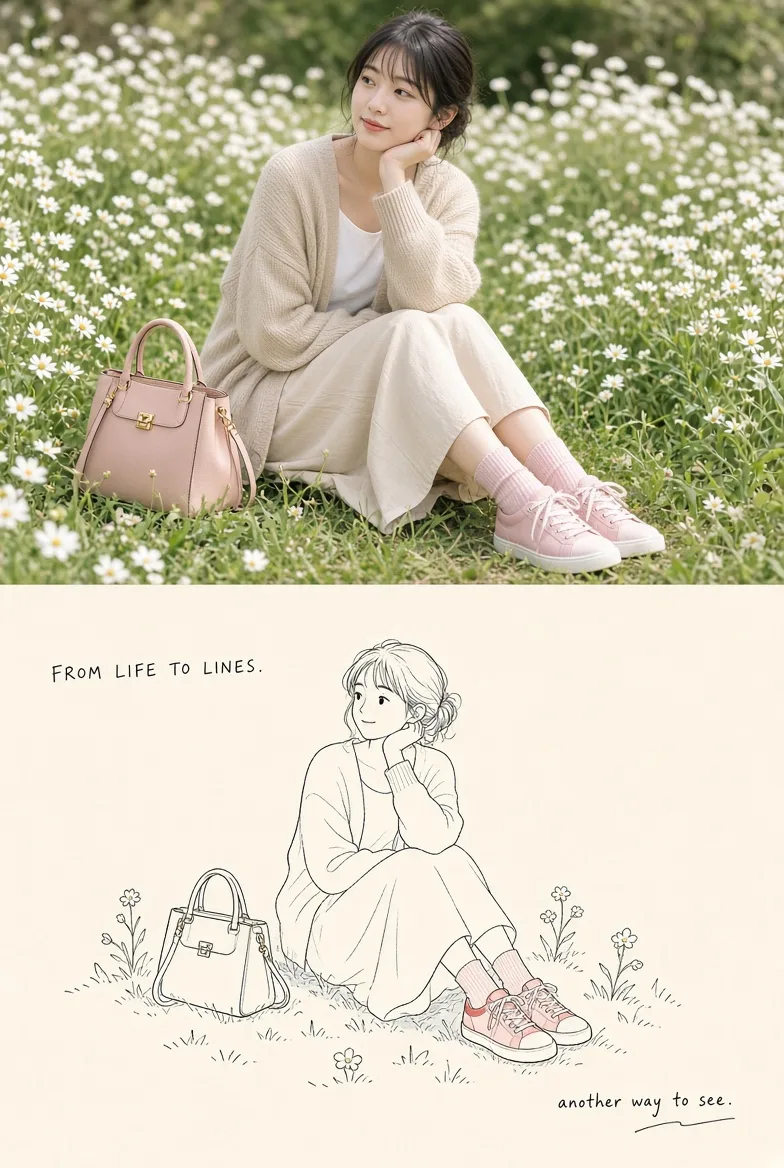
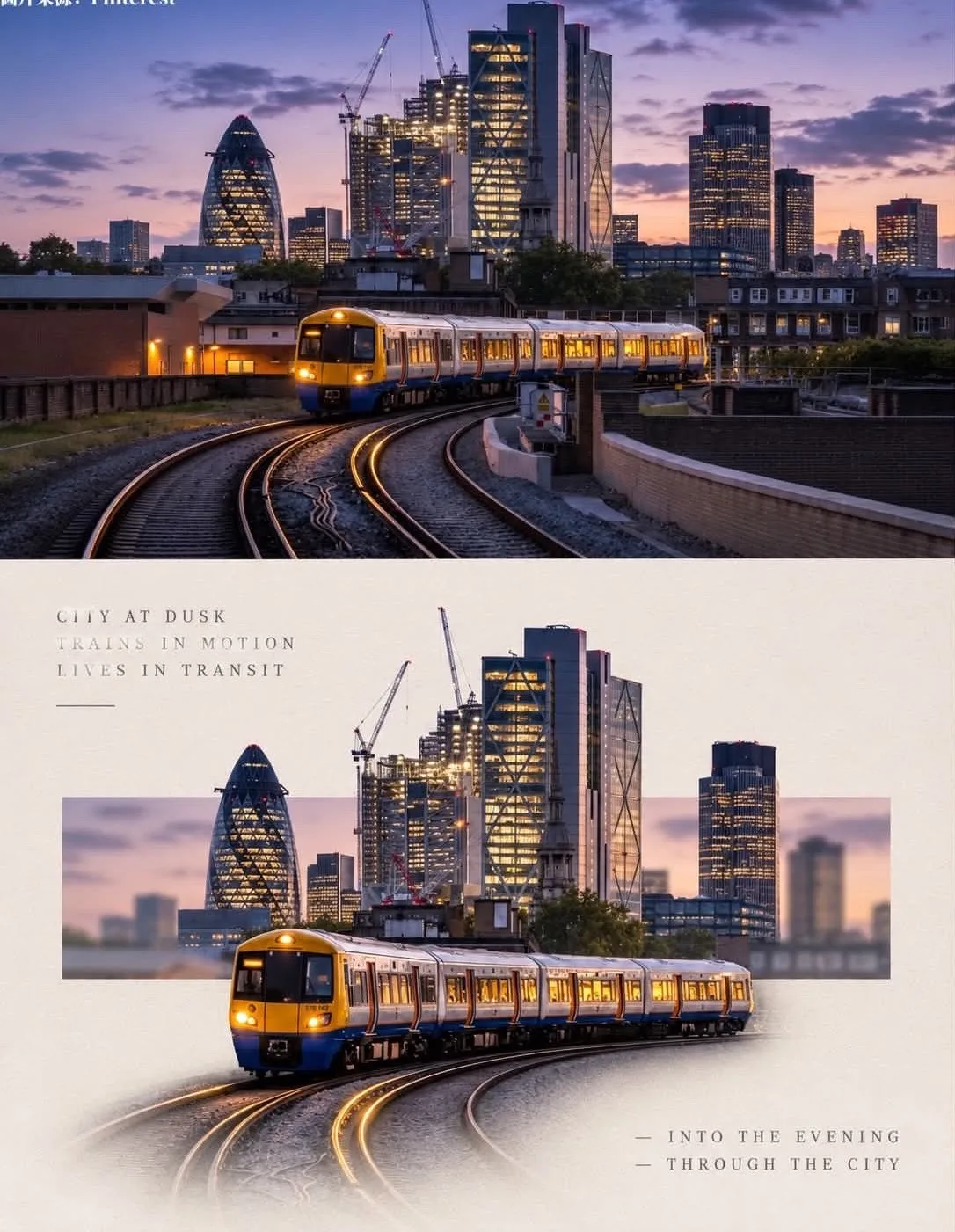
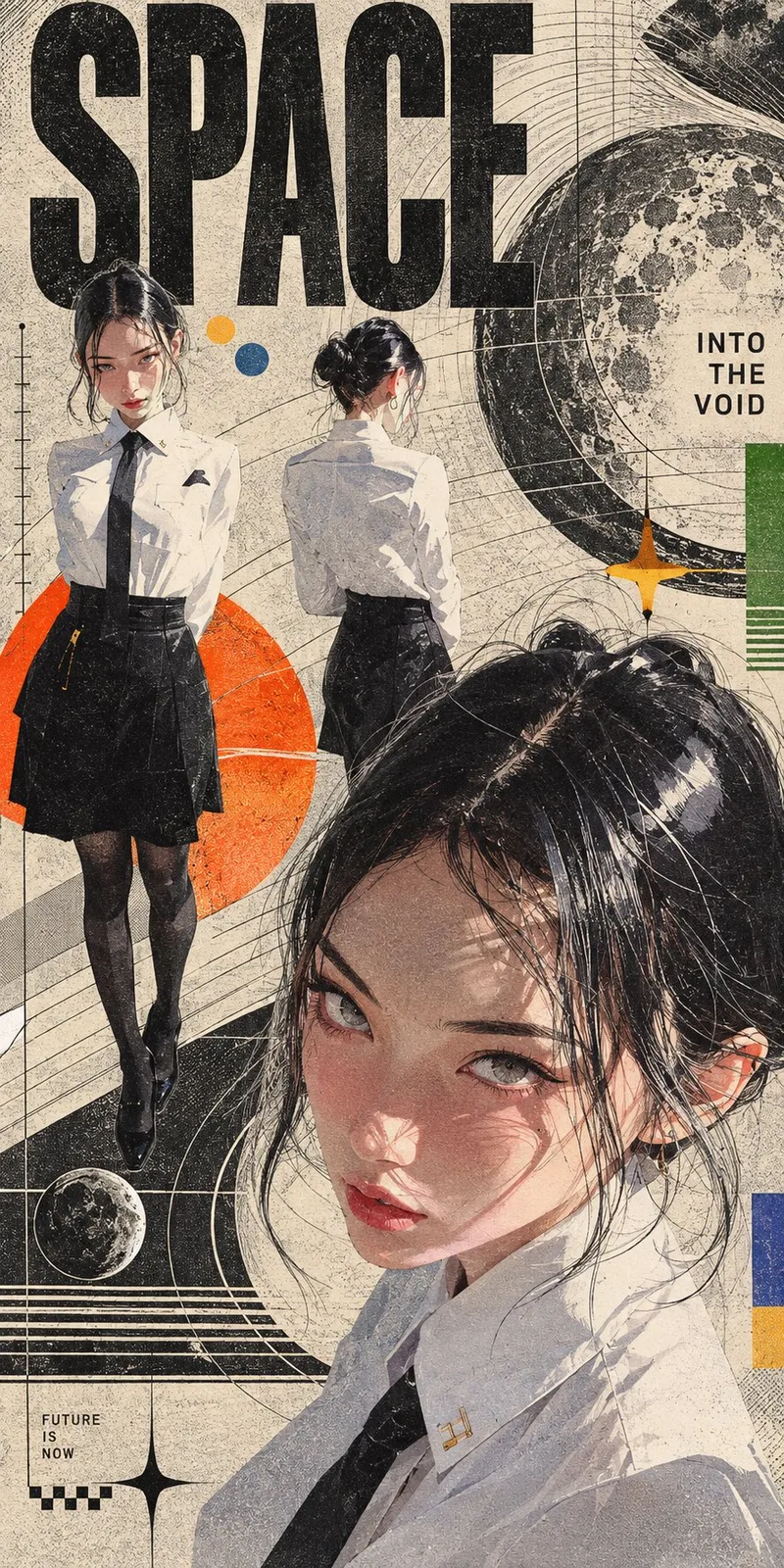
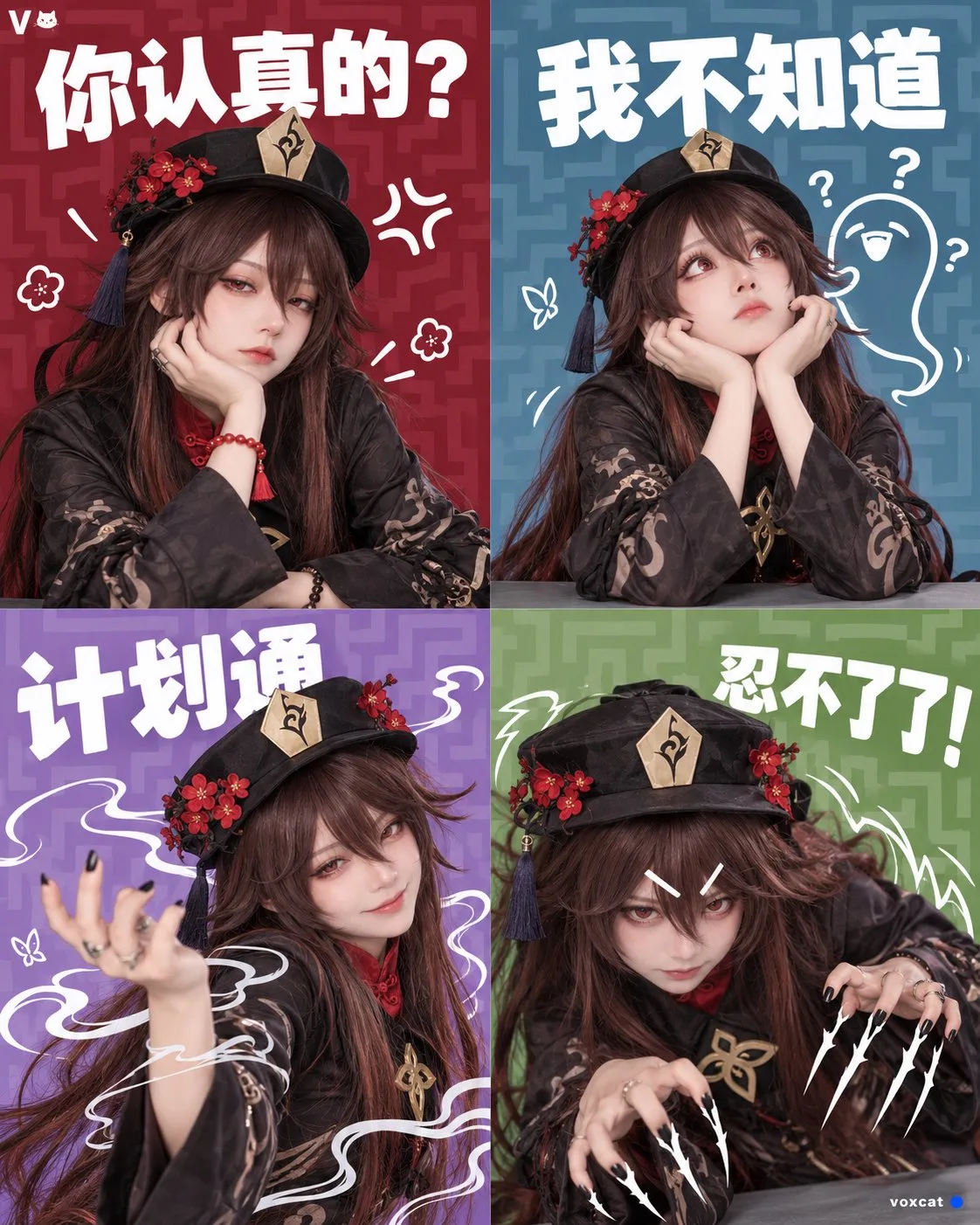
Create a collection of individual, high-end editorial art posters, producing one separate design for every uploaded photograph. Treat each image as its own creative project, with no image merging, repeated layouts, or borrowed design elements between posters. CANVAS & STRUCTURE: Use a strict 3:4 vertical format with a precise 50/50 horizontal division. The upper section must retain the original photograph, including the subject’s face, identity, pose, clothing, defining details, original color relationships, and natural lighting. Apply only restrained tonal refinement for a polished magazine finish. Do not reconstruct, reshape, or replace the photographed subject. PHOTOGRAPHIC UPPER PANEL: Preserve the authentic image as the visual anchor. Simplify distracting surroundings only where necessary, without altering the subject or compromising the photograph’s original character. LOWER PANEL — PAPER SCULPTURE: Reinterpret the subject’s defining features, silhouette, or visual story as a contemporary handcrafted paper composition. Build the artwork from bold cutouts, abstract contours, overlapping cardstock, and carefully arranged geometric fragments. Reduce unnecessary details while retaining recognizable visual connections to the original photograph. The result should feel like an art director’s handcrafted mixed-media experiment, not a cartoon illustration. LAYOUT & SPATIAL DESIGN: Create a striking contrast between a spacious, pale upper field and a confidently colored lower section extending edge to edge. Let the subject interact visually with the dividing line, creating a seamless relationship between photography and collage. Introduce an off-center shape, architectural color panel, or restrained graphic accent only when it strengthens the composition. Keep the arrangement intentional, airy, and visually distinctive. PALETTE & MATERIALS: Derive a small selection of complementary colors from the source image, then translate them into luminous, understated pastel tones. Combine matte paper surfaces, fine fibrous grain, slightly irregular cut edges, and delicate overlapping layers. Establish dimension through the arrangement of paper elements rather than pronounced shadows, gradients, or artificial depth. EDITORIAL FINISH: Use typography sparingly. If suitable, include a small art-publication title, discreet caption, or minimal typographic detail, positioned with precision. Avoid unnecessary text, decorative labels, and oversized lettering. ARTISTIC DIRECTION: Contemporary gallery poster meets independent art-journal design. Balance photographic authenticity with tactile paper craftsmanship, bold color blocking, thoughtful asymmetry, and generous breathing room. Every poster should have its own visual character, derived directly from its source photograph. STRICT EXCLUSIONS: No combined photographs, duplicated designs, distorted anatomy, altered facial identity, full-scene illustration, cartoon rendering, glossy 3D elements, excessive drop shadows, gradients, busy backgrounds, or mass-produced template aesthetics. FINAL OBJECTIVE: Produce a refined, collectible-quality editorial poster that feels individually art-directed. The original photograph remains authentic in the upper half, while the lower half translates its visual identity into a fresh, tactile, minimalist paper-art interpretation.
提示词解读
此提示要求创作一款竖向3:4比例的海报,一般上半部分保持原始照片完整呈现,下半部分则将人物形象以手工纸雕的抽象剪纸叠层形式再现。整体目标是将真实摄影与触感丰富的拼贴艺术结合,打造具有收藏价值的独立艺术海报。 关键点在于:上半段用亘古光影保持原像,中段采用从照片色彩中提炼的柔和浅色调,配合粗糙纸张、几何剪裁与轻叠色块,呈现简洁的现代感。设计时严格限制文字与装饰,避免过多的文字标签和三维效果,让版面呼吸空间明显。 在改编时请保留3:4竖向比例与 50/50 的水平拆分;底层纸雕的材质与色调可以根据不同主题调整,但始终保持原图不被修改,且纸雕形态保持对原像的可识别呼应。根据人物外形调整剪裁块的尺寸,以确保作品整体视觉秩序与原图纹理相互呼应。
更多相似提示词