Lighting is the layer of prompt-writing people agonize over most and measure least. So we measured it: every prompt in the library — 1,100+ at the time of counting — scanned for lighting, camera and texture vocabulary. The ranking is not what the guides would predict.
The winners: ambient beats studio
"Sunlight" appears 97 times across the corpus. "Natural light" another 28. "Golden hour", the darling of photography tutorials, only 19 — and "studio light", the backbone of product photography, just 5. "Soft light", which beginners reach for constantly, appears 7 times. "Hard light": once.
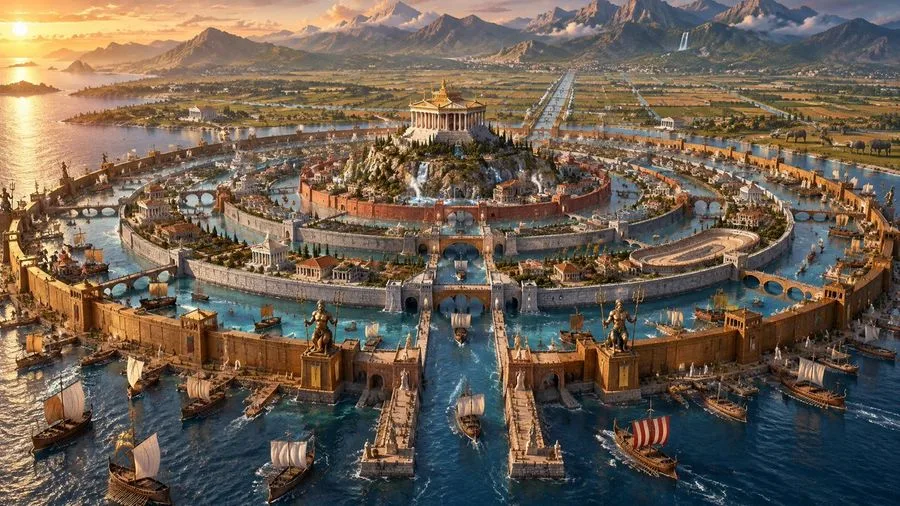
Prompts overwhelmingly want light to come from somewhere real — a sun, a window, the neon of a street — not from a lighting setup. You can see why in practice: this golden-hour piece gets its whole mood from two words about the sun, while studio vocabulary tends to produce the flat catalog look that most images are trying to avoid.
The workhorse camera words
When prompts do get technical, they reach for depth, not equipment: "depth of field" (111 uses, with 74 specifying "shallow"), "bokeh" (49), "wide-angle" (32), "motion blur" (23), "macro" (18). Actual lens focal lengths exist but trail far behind: "35mm" (17), "85mm" (16), "50mm" (8). The corpus says: describe what the optical effect looks like, not which glass produces it.
"Grain" is the single most-used texture word in the entire scan — 148 uses, 53 of them "film grain". If depth of field is how the corpus handles focus, grain is how it handles finish: almost every nostalgic, analog or documentary-style prompt attaches some form of grain. You can see bokeh and shallow depth doing their routine in this chibi coffee-cup scene, where the tiny figure against a giant prop is held together entirely by depth cues.
Rim light does the most per use
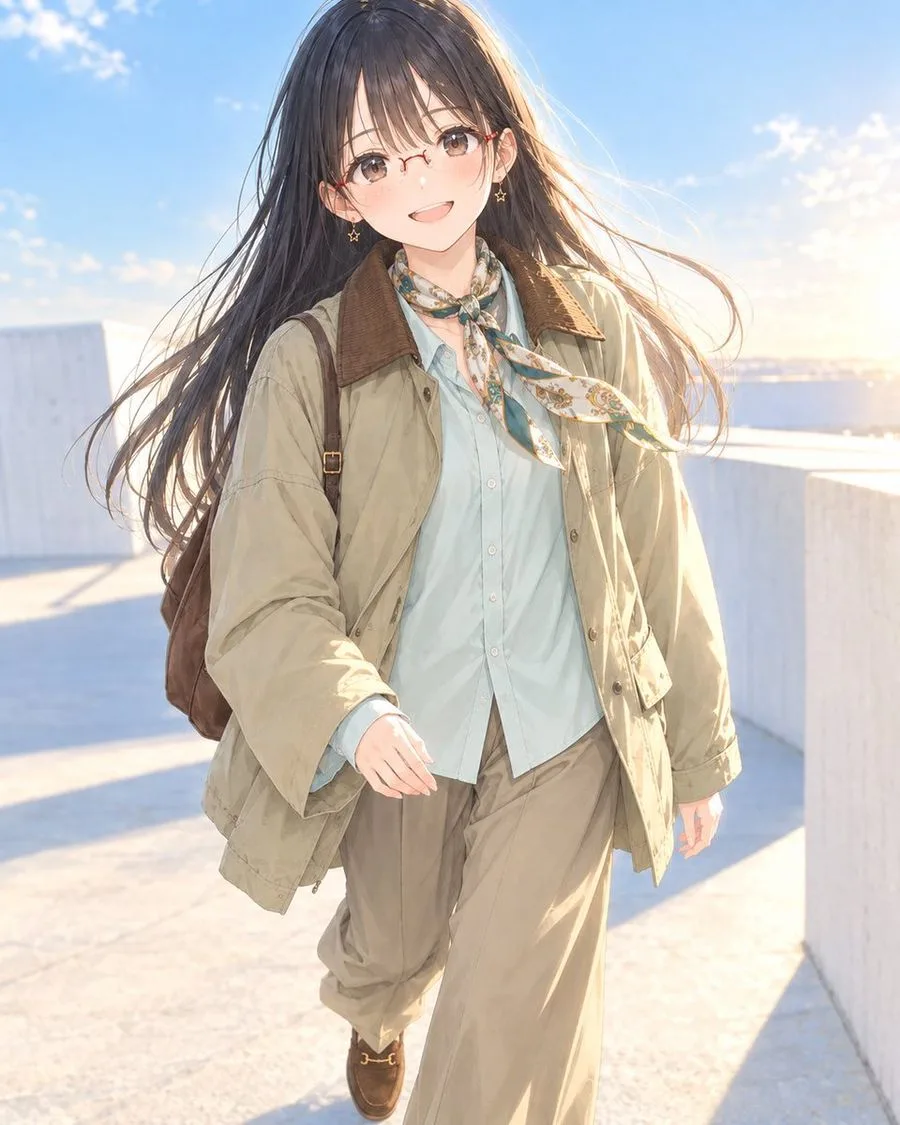
"Rim light" appears 26 times — modest in absolute numbers but heavily concentrated in portrait and character prompts, and doing more visible work per use than anything else on the list. A rim light puts a bright edge on the subject against a darker ground; it is the difference between a character that sits in the scene and one that floats on top of it. If your portraits look flat and pasted, this is the word to try. This rooftop walk uses it to lift the character off the skyline.
The specialists: flash and neon
The flash family is rare overall — "flash" 16, "direct flash" 4, "on-camera flash" 3 — but that is because it belongs to one specific aesthetic rather than being underused: the CCD digicam look, which we tore down in a separate piece. "Neon" (42) is the other specialist: it clusters in night-street and cyberpunk prompts where it does the job of three ordinary lighting words.
A working list
- Want natural: sunlight, golden hour, window light (13 uses, and worth more). Say where the light comes from.
- Want polish: shallow depth of field plus rim light. Two words, and a portrait stops looking generated.
- Want texture: grain. It is the corpus's favorite finish.
- Skip the empty phrases: "soft light" and "dramatic lighting" (12) do so little in practice that their low counts are a feature, not a bug.
- Save flash for when you want the snapshot look — it is a style, not a default.
One structural finding: we also measured where lighting words sit inside the prompt — and they cluster late: rim light, bokeh and depth of field appear around 70% of the way through, on average, after the subject and layout are already settled. The corpus writes light as a modifier of a finished scene, not as the opening move. (The charming exception: golden hour, which tends to appear in the first third — because when the light is the whole concept, it opens the prompt.) Structure yours the same way — subject first, then what the light is doing about it.