电影感高级时尚九宫格叙事摄影
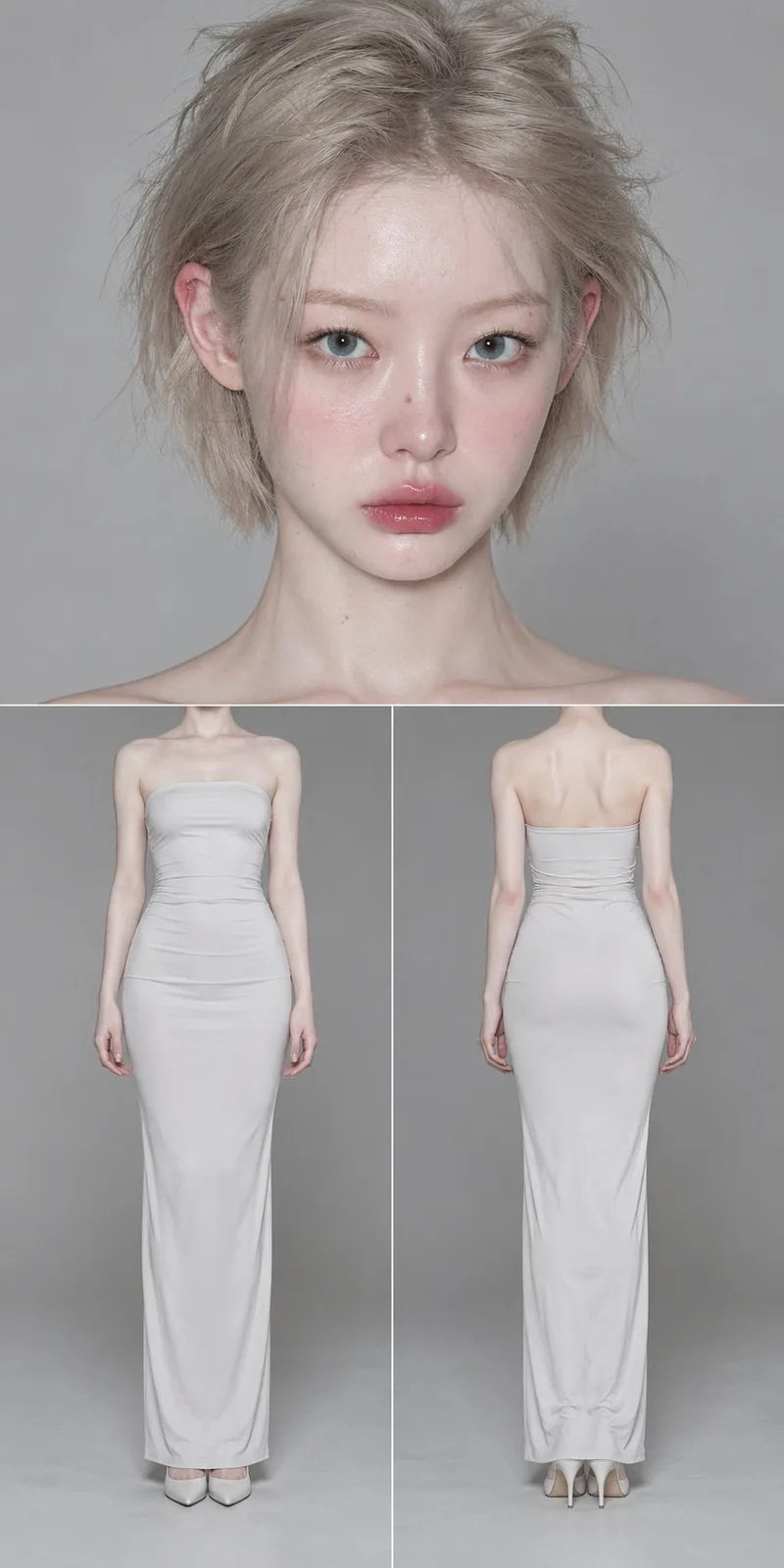
Use the attached image as the sole reference for the same character and the same photography series. The character's facial features, hairstyle, body type, clothing, skin texture, lighting texture, color tone, film feel, atmospheric feel, and the worldview as a photograph are all faithfully inherited from the attached image. However, it is not to reproduce the attached image itself. The composition, pose, camera position, angle, shooting distance, cropping, and frame composition of the attached image are not to be copied at all. Reconstruct this character and the world as if they exist within a feature film. Not merely a fashion photo variation, but as a "photography series established as nine moments captured from a movie." Let each photo have different visual drama and narrativity. Moments of the character waiting for something, staring at something, in motion, at rest, existing in the distance, etc., allowing one to feel clear situational differences. But do not fixedly specify specific locations, small props, or events; instead, let them unfold naturally within the range of the interpretable worldview of the attached image. Lighting is not handled as simple, beautiful, and uniform illumination, but as cinematic lighting. Boldly incorporate strong light and deep shadows, partial backlighting, silhouettes, moments where light captures only a part of the character, characters emerging from the shadows, light streaming in from a distance, light that allows one to feel the change in time of day, etc. Through light and shadow, create tension, tranquility, lingering resonance, loneliness, anticipation, anxiety, a sense of liberation, and other emotional shifts that do not rely on words in the photos. Overall, create an extremely sophisticated cinematic photography story that sits between high-fashion editorial photos and a scene from a movie. The nine photos are each independent as complete works, while at the same time, when placed side-by-side, give the feeling of watching fragments of a single film. 【Composition of the Nine Photos】 Arrange the nine photos in a 3×3 grid. In all nine, significantly change the shooting distance, the character's occupancy in the frame, camera height, angle of view, body cropping method, and relationship with the space. Consciously mix the following visual scales. ・Partial extreme close-ups of eyes, face, hands, fingers, feet, legs, etc. ・Photos cropping only a certain part of the body ・Photos centered on the back or the figure from behind ・Mid-range portraits of the character ・Full-body photos capturing the whole body ・Photos placing the character small at the edge or corner of the frame ・Long shots of the character as a tiny presence in a vast space ・Photos where the scale of space or landscape is felt more strongly than the character ・Cinematic wide-angle shots where the character exists in only a very small part of the frame Clearly contrast photos where the character fills the frame with photos where the character occupies only a tiny part of the frame. The camera angle also changes significantly. Not limited to eye level, but also combining low angles, high angles, distant perspectives, perspectives shot from behind the character, perspectives capturing the character through space, etc. Do not lean toward the front; actively use side profiles, back views, compositions showing only the body, compositions where the face is out of the frame, compositions where only a part of the character enters the frame, etc. All nine use different compositions. Do not repeat similar facial close-ups. Do not repeat the same pose. Do not repeat the same shooting distance. Do not repeat the same camera angle. Do not repeat the same body cropping method. Do not create similar shots that only change the face orientation or gaze direction. Each of the nine stands as a powerful single work when viewed independently. 【Cinematic Expression】 Not constructing the photos as "posed character photos," but constructing them as "a scene from a movie accidentally witnessed by the camera." Through the character's gaze, body orientation, light, shadow, space, and distance, let the person viewing the photo imagine the plot occurring before and after it. Not explanatory direction, but cinematic direction utilizing blank space and silence. Mix quiet moments with dramatic moments. Combine photos of strong contrast with quiet and delicate photos. Let the photos as a whole convey cinematic tension dramatic natural lighting emotional atmosphere visual storytelling film still aesthetic cinematic framing quiet tension dramatic shadows poetic realism . But do not use overly artificial movie poster styles, CG styles, or excessive production processing. Always establish them as authentic live-action photographs. Maintain the editorial quality of high-fashion magazines, Fine grain like that of 35mm film shooting, Natural human bodies, Real skin, Subtle light gradations, Cinematic contrast, Shallow depth of field, Three-dimensional shadows, Unified color grading.
About this prompt
A series of nine shots coaxed from a single character, each carrying a slice of a larger cinematic narrative. The model becomes an on‑screen personality, yet the camera treats each frame like a film still: gritty color grading, unhurried poses, subtle emotional beats. Threaded across the grid are moments of anticipation, solitude, and fleeting motion, inviting viewers to imagine scenes that extend beyond the frame. The visual texture is achieved through dramatic lighting: hard backlights, low‑angle silhouettes, and selective spotlighting that force strong contrasts. The photographer plays with scale, from extreme close-ups of eyes to wild wide‑angle shots where the character nearly dissolves into the environment. Composition varies—some frames are tight with the model filling the frame, others are desolate with the model barely a shadow on the pavement. If you want to adapt this prompt, keep the variety of perspectives and the strong light‑shadow dynamic. Swap the character’s look for another model or alter the lighting temperature to shift the mood. Preserve the inconsistent framing so each image feels both independent and part of a cohesive story.
More like this